


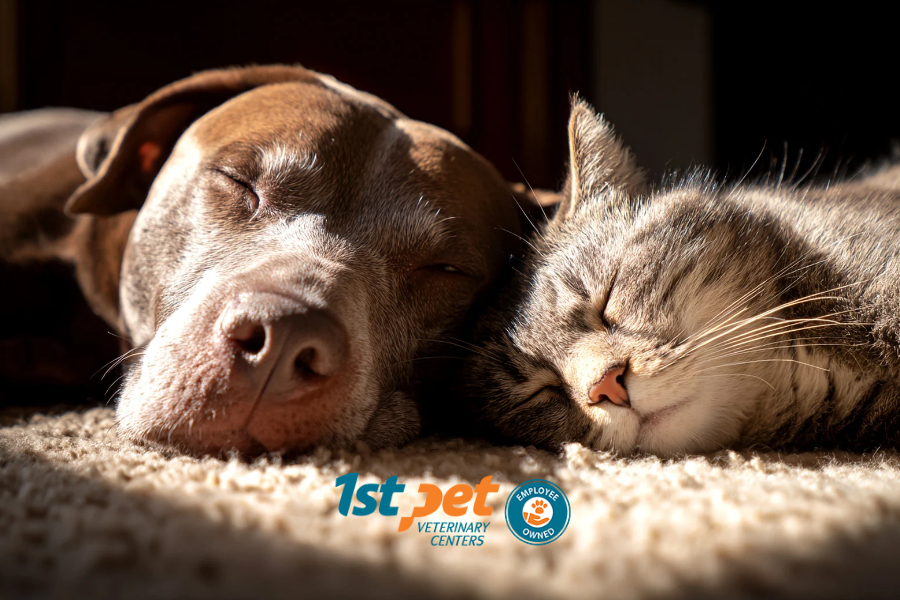
Our pets may grow older, but that doesn’t mean they stop being the companions we know and love. The dog who once ran circles around the backyard may prefer a leisurely walk, while the cat who used to leap onto the highest shelf might choose a sunny spot closer to the ground.
Some changes are a natural part of aging. Others, however, may be early signs of medical conditions that deserve attention.
As dogs and cats enter their senior years, their healthcare needs begin to change. Regular veterinary examinations, preventive screenings, and adjustments to their daily routines can help identify potential health concerns early and support their comfort and well-being.
Senior pet care isn’t just about treating age-related illnesses. It’s about helping your pet enjoy as many healthy, comfortable years as possible.
When Is a Dog or Cat Considered a Senior?
There isn’t one specific age when every pet becomes a senior.
For dogs, age-related changes depend on several factors, including breed, size, genetics, and overall health. Larger dogs generally reach their senior years earlier than smaller breeds because they tend to have shorter lifespans.
Cats are typically considered seniors around 10 years of age, although individual health and aging patterns vary.
Rather than focusing exclusively on a number, veterinarians consider your pet’s life stage, medical history, and individual needs when recommending preventive care.
And while older pets may need additional monitoring, being a senior doesn’t automatically mean your pet is unhealthy.
Many senior dogs and cats continue to enjoy active, fulfilling lives with appropriate veterinary care and support.
Why Is Senior Pet Care So Important?
As pets age, their bodies undergo changes that can increase their risk of developing certain medical conditions.
Some of these changes happen gradually, making them difficult to recognize at home. Dogs and cats can also be remarkably good at hiding discomfort, particularly in the early stages of illness.
Routine senior wellness examinations give your veterinarian an opportunity to identify subtle changes before they become more serious.
Senior pet care can help:
- Detect medical conditions in their earlier stages
- Monitor changes in organ function
- Identify pain or mobility concerns
- Evaluate changes in weight and nutrition
- Monitor dental health
- Assess behavior and cognitive function
- Adjust medications and treatment plans
- Support long-term comfort and quality of life
Early detection doesn’t guarantee that every condition can be prevented or cured. However, recognizing a problem sooner may provide more opportunities for treatment, management, and supportive care.
How Often Should Senior Pets See the Veterinarian?
While healthy adult pets generally benefit from annual wellness examinations, senior dogs and cats often benefit from veterinary visits every six months.
A lot can change in a pet’s health over the course of a year, particularly as they get older.
More frequent examinations allow your veterinary team to monitor trends in weight, mobility, behavior, and overall health while identifying changes that may not be obvious at home.
Depending on your pet’s needs, a senior wellness visit may include:
- A complete physical examination
- Weight and body condition assessment
- Dental and oral health evaluation
- Heart and lung examination
- Joint and mobility assessment
- Bloodwork and urinalysis
- Blood pressure measurement
- Review of medications and supplements
- Discussion of appetite, activity, sleep, and behavior
Your veterinarian may recommend additional testing or more frequent visits if your pet has an existing medical condition.
Common Health Concerns in Senior Dogs and Cats
Aging can increase the likelihood of certain health problems, but many of these conditions can be treated or managed with appropriate veterinary care.
Arthritis and Mobility Problems
Arthritis is a common concern in older dogs and cats.
As joints become inflamed and painful, pets may begin changing how they move or participate in everyday activities.
Signs may include:
- Difficulty standing after resting
- Stiffness or limping
- Reluctance to jump or use stairs
- Reduced interest in walks or play
- Difficulty grooming, particularly in cats
- Changes in posture or sleeping positions
Cats with arthritis may simply stop jumping onto furniture or become less active, rather than showing an obvious limp.
Pain management, rehabilitation therapy, weight management, and environmental adjustments may help improve comfort and mobility.
Kidney Disease
Chronic kidney disease is particularly common in older cats, although dogs can develop it as well.
The kidneys help filter waste products from the bloodstream, regulate hydration, and maintain important balances within the body.
When kidney function declines, pets may develop:
- Increased thirst
- Increased urination
- Weight loss
- Reduced appetite
- Vomiting
- Lethargy
Early kidney disease may not cause noticeable symptoms, which is one reason routine bloodwork and urinalysis are valuable for senior pets.
Diabetes and Hormonal Disorders
Older pets may develop endocrine disorders that affect how their bodies regulate hormones and metabolism.
Examples include diabetes mellitus, hyperthyroidism in cats, hypothyroidism in dogs, and Cushing’s disease in dogs.
Depending on the condition, symptoms may include changes in appetite, thirst, urination, weight, energy, or coat quality.
Because these symptoms can overlap with other medical problems, diagnostic testing is important for identifying the underlying cause.
Dental Disease
Dental disease isn’t just a problem for younger pets, and it shouldn’t be overlooked as dogs and cats age.
Periodontal disease, damaged teeth, and oral infections can cause significant discomfort and make eating difficult.
Some pets continue eating despite painful dental conditions, so a normal appetite doesn’t necessarily mean their mouth is healthy.
Routine dental examinations can help identify problems and determine whether professional dental treatment is needed.
Cancer
The risk of certain cancers increases with age in dogs and cats.
Not every lump or bump is cancerous, but new or changing masses should be evaluated by a veterinarian.
Other possible warning signs include unexplained weight loss, persistent changes in appetite, unusual swelling, or changes in behavior.
Early evaluation can help determine whether additional testing or treatment is appropriate.
Cognitive and Behavioral Changes
Just like people, some dogs and cats experience changes in cognitive function as they age.
You may notice:
- Confusion or disorientation
- Changes in sleep patterns
- Increased nighttime vocalization
- Pacing or restlessness
- Changes in social interaction
- House-soiling or litter box accidents
- Reduced interest in familiar activities
These symptoms may be associated with cognitive dysfunction, but pain, sensory changes, and other medical conditions can cause similar behaviors.
A veterinary examination can help determine what may be contributing to the changes.
Why Routine Bloodwork Matters for Senior Pets
One of the most valuable parts of senior preventive care is routine diagnostic testing.
Many medical conditions develop gradually, and changes in organ function may appear in laboratory results before noticeable symptoms develop.
Depending on your pet’s age, health, and medical history, your veterinarian may recommend:
- Complete blood count (CBC): Evaluates red blood cells, white blood cells, and platelets.
- Blood chemistry panel: Helps assess kidney function, liver values, blood glucose, and other indicators of health.
- Urinalysis: Provides information about urinary health, kidney function, and certain metabolic conditions.
- Thyroid testing: May be recommended when symptoms or medical history suggest a thyroid disorder.
- Blood pressure measurement: Can help identify hypertension, particularly in older cats and pets with certain medical conditions.
Routine testing also establishes baseline values for your individual pet.
By comparing results over time, your veterinarian may be able to recognize meaningful trends even when laboratory values remain within a reference range.
Supporting Your Senior Pet at Home
Veterinary care is only one part of helping your pet age comfortably.
Small adjustments at home can make a meaningful difference in your senior pet’s daily life.
Maintain a Healthy Weight
Excess weight places additional stress on joints and can complicate conditions such as arthritis and diabetes.
However, unexplained weight loss can also indicate an underlying medical problem.
Your veterinarian can help determine an appropriate weight and nutrition plan based on your pet’s health, activity level, and individual needs.
Keep Them Moving Comfortably
Regular, appropriate activity can help maintain muscle strength, mobility, and mental stimulation.
For some senior dogs, shorter, more frequent walks may be more comfortable than long outings.
Cats may benefit from gentle play sessions and easy access to favorite resting spots.
Avoid forcing exercise when your pet appears painful, weak, or reluctant to move.
Make Your Home Senior-Friendly
Simple changes may help pets with reduced mobility or sensory changes.
Consider:
- Non-slip rugs on slippery floors
- Ramps or steps for favorite furniture
- Comfortable, supportive bedding
- Easily accessible food and water
- Low-entry litter boxes for cats
- Nightlights for pets with reduced vision
- Keeping familiar pathways clear of obstacles
These adjustments can help your pet navigate their environment more safely and comfortably.
Pay Attention to Behavior Changes
You know your pet’s normal habits better than anyone.
If your dog suddenly stops greeting you at the door or your cat begins hiding more often, don’t automatically assume it’s part of getting older.
Changes in behavior, appetite, sleep, or activity may be early indicators of discomfort or illness.
Keeping track of these changes can help your veterinarian better understand what’s happening.
Signs Your Senior Pet Should See a Veterinarian
While routine wellness visits are important, you shouldn’t wait for your pet’s next scheduled appointment if something changes.
Contact your veterinarian if you notice:
- Unexplained weight loss or gain
- Increased thirst or urination
- Changes in appetite
- Persistent vomiting or diarrhea
- Difficulty walking, standing, or jumping
- Limping or stiffness
- New lumps or bumps
- Changes in breathing
- Persistent coughing
- Changes in sleep or behavior
- Confusion or disorientation
- House-soiling or litter box accidents
- Reduced grooming
- Withdrawal from normal activities
These symptoms don’t necessarily indicate a serious disease, but they deserve attention.
When Is It an Emergency?
Seek emergency veterinary care if your senior pet:
- Has difficulty breathing
- Collapses or becomes unresponsive
- Experiences seizures
- Cannot stand or develops sudden severe weakness
- Has pale, blue, or gray gums
- Cannot urinate
- Experiences uncontrolled bleeding
- Has severe or repeated vomiting
- Appears to be in severe pain
- Develops a sudden or rapidly worsening condition
Older pets can develop emergencies just like younger animals. Serious symptoms should never be dismissed as a normal part of aging.
How 1st Pet Veterinary Centers Supports Senior Pets
At 1st Pet Veterinary Centers, we believe preventive care plays an important role in helping dogs and cats remain healthy and comfortable throughout their lives.
Our primary care veterinarians provide comprehensive wellness examinations, diagnostic testing, and individualized care recommendations to help identify and manage age-related health concerns.
When more advanced care is needed, our specialty teams can provide additional diagnostic and treatment support for pets managing complex medical conditions.
Our pain management and rehabilitation services may also help senior pets experiencing arthritis, chronic pain, reduced mobility, or other conditions affecting their comfort and daily function.
And because 1st Pet offers primary, specialty, urgent, and emergency veterinary care, our teams can help support your pet as their medical needs change.
Aging Is Natural. Suffering Doesn’t Have to Be.
Getting older is a normal part of life, but that doesn’t mean every change in your pet’s health should be accepted as inevitable.
A dog slowing down on walks, a cat becoming less interested in jumping, or a pet developing changes in appetite or behavior may be showing early signs of a medical condition that deserves attention.
With regular veterinary examinations, preventive screenings, and thoughtful adjustments to their daily routines, many senior pets can continue enjoying the activities, relationships, and comforts that make their lives special.
If your dog or cat is entering their senior years, contact 1st Pet Veterinary Centers to schedule a senior wellness examination. Our team can help you understand your pet’s changing needs and develop a care plan focused on supporting their health, comfort, and quality of life for years to come.